Boston Investment Property: Is a Brownstone a Smart Buy in 2026?
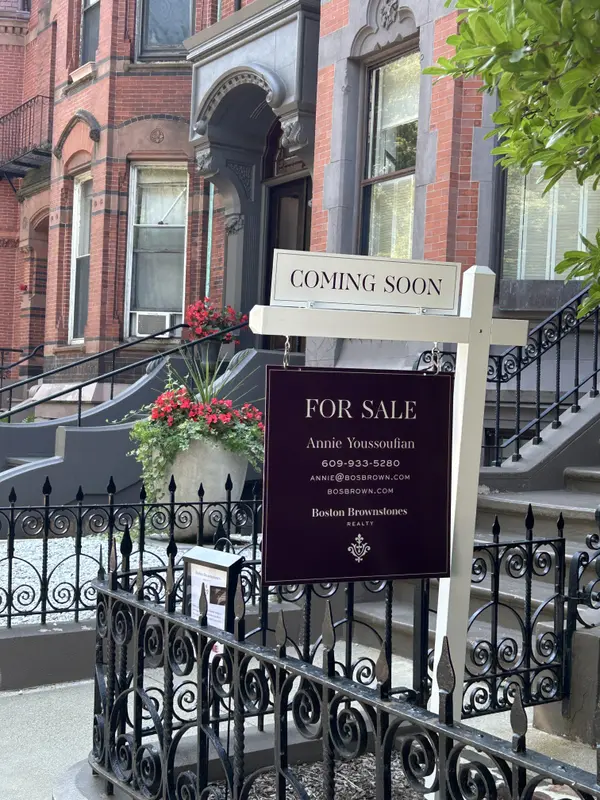
For buyers interested in a Boston investment property, few property types are as closely associated with the city as the historic brownstone.
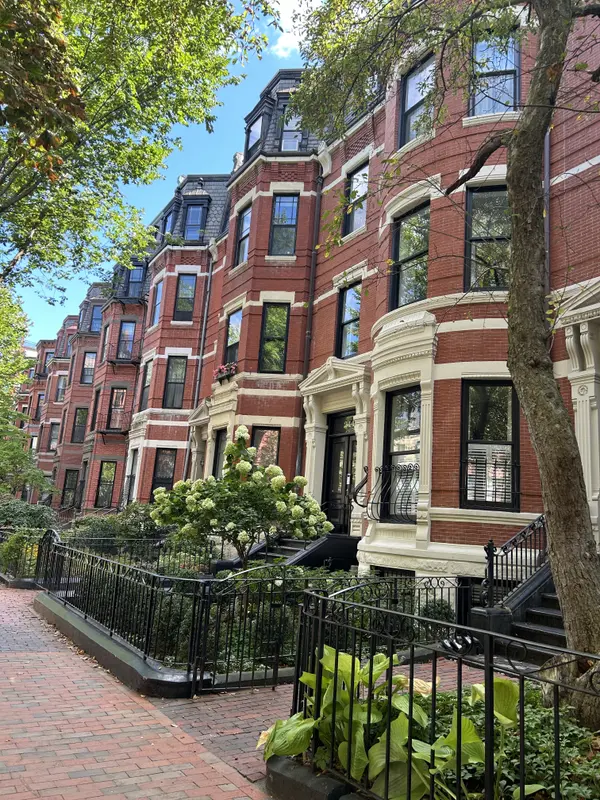
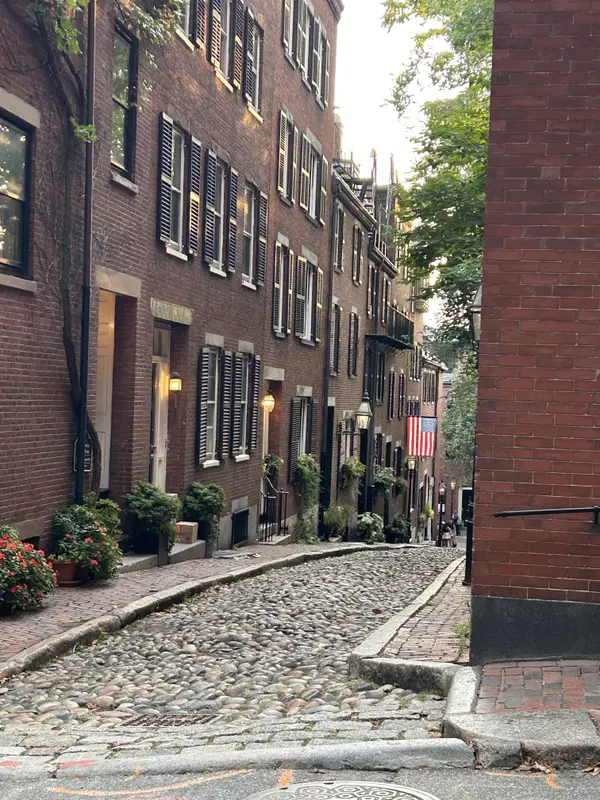
They line some of Boston’s most recognizable streets.
They define neighborhoods like Back Bay, Beacon Hill, and the South End.
And for buyers thinking about long-term ownership, lifestyle, scarcity, and future resale value, a Boston brownstone can represent something very different from purchasing a more conventional condominium or newer construction property.
But is buying a brownstone in Boston actually a smart investment?
The short answer:
It can be but the individual property matters far more than the word “brownstone.”
Location.
Condition.
Ownership structure.
Renovation history.
Condominium finances.
Parking.
Outdoor space.
Layout.
Historic considerations.
Purchase price.
And ultimately, the type of buyer likely to want the property when it eventually returns to the market.
According to Annie Youssoufian, Broker/Owner of Boston Brownstones Realty, PLLC, evaluating a Boston brownstone requires looking beyond the architecture and understanding the property at a building, block, and neighborhood level.
For buyers approaching Boston real estate with an investment mindset, that local detail matters.
Why Boston Brownstones Continue to Attract Buyers
There is a reason buyers continue searching for Boston brownstones for sale.
They are distinctive.
A renovated brownstone residence on a tree-lined Back Bay street does not compete with every other property in Greater Boston.
Its appeal may come from a combination of:
- Historic architecture
- Limited supply
- Established neighborhood character
- Central Boston location
- Walkability
- High ceilings and period details
- Bay windows
- Private entrances
- Outdoor space
- Parking
- Proximity to parks, dining, employment, universities, and cultural destinations
That combination can make brownstones difficult to replicate.
And in real estate, scarcity can matter.
But scarcity alone does not make every brownstone a good investment.
The better question is:
What makes this particular Boston brownstone valuable?
That is where the analysis should begin.
What Determines Boston Brownstone Value?
There is no single formula for determining Boston brownstone value.
Two properties on the same street can have dramatically different characteristics.
One may have been completely renovated.
Another may require substantial work.
One may include deeded parking and private outdoor space.
Another may not.
One may occupy an entire building.
Another may be one condominium within a converted brownstone.
Buyers should think about value across several categories.
1. Exact Location
Boston real estate is intensely local.
Neighborhood matters.
Street matters.
And sometimes even the specific block matters.
A property’s relationship to the Charles River Esplanade, Commonwealth Avenue, Boston Common, Newbury Street, neighborhood restaurants, public transportation, schools, employment centers, and other amenities can influence how buyers perceive it.
That is particularly true in neighborhoods like Back Bay, Beacon Hill, and the South End, where buyers are often purchasing a lifestyle alongside the property itself.
2. Property Condition
Historic character can be enormously appealing.
Historic maintenance can also be expensive.
Buyers should understand the condition of major property systems and building components, including items such as:
- Roof
- Masonry
- Windows
- Plumbing
- Electrical
- Heating and cooling
- Foundation
- Exterior stairs and entries
- Common areas
- Water intrusion history
- Prior renovations
A beautifully staged property can still require significant future capital.
For an investment-minded buyer, understanding those costs is part of understanding the true purchase price.
3. Renovation Quality
Not every renovation creates the same value.
Boston buyers may place a premium on homes that successfully combine historic character with modern functionality.
That can mean preserving features that make the property distinctive while thoughtfully updating kitchens, bathrooms, mechanical systems, lighting, storage, and floor plans.
Renovation quality can become particularly important when comparing one historic home for sale in Boston with another.
4. Outdoor Space
Private outdoor space can be difficult to find in central Boston.
A patio.
Terrace.
Deck.
Roof deck.
Garden.
Or private courtyard.
These features can materially differentiate one property from competing inventory.
For buyers thinking about long-term resale, features that are difficult to reproduce deserve attention.
5. Parking
Parking is another property-specific feature that can significantly affect how certain buyers evaluate a Boston home.
A deeded or otherwise clearly established parking arrangement may distinguish one brownstone residence from another.
That does not mean every buyer requires parking.
It means buyers should understand whether the feature — or lack of it — affects the future audience for the property.
A Brownstone Is Not One Type of Investment
One of the biggest mistakes a buyer can make is treating every brownstone as the same product.
They are not.
A buyer searching for Boston brownstone real estate might encounter:
- A single-family brownstone
- An entire multi-unit building
- A condominium within a converted brownstone
- A garden-level condominium
- A parlor-level residence
- A duplex
- An upper-floor home
- A property requiring renovation
- A fully restored historic residence
Each creates a different ownership experience.
Each has a different cost structure.
And each may attract a different future buyer.
That is why the phrase “brownstone investment” is only the beginning of the analysis.
Whole Brownstone vs. Brownstone Condo
This distinction deserves particular attention.
Buying an entire brownstone may provide greater control over the property, but it can also mean assuming responsibility for the entire structure and its ongoing maintenance.
Buying a condominium within a brownstone can reduce some of that individual responsibility, but introduces another important layer:
The condominium association.
For a brownstone condominium, buyers should carefully understand factors such as:
- Condominium budget
- Reserve funds
- Monthly fees
- Recent assessments
- Potential future assessments
- Insurance
- Building maintenance history
- Ownership percentages
- Association rules
- Rental restrictions when applicable
- Responsibility for exterior and structural repairs
A stunning interior does not tell the entire story.
The financial and physical health of the building matters too.
Back Bay: Brownstones, Luxury Real Estate, and Long-Term Appeal
For buyers researching Back Bay real estate, the neighborhood naturally belongs in the Boston brownstone conversation.
Historic residential streets.
Commonwealth Avenue.
Marlborough Street.
The Charles River Esplanade.
Newbury Street.
Copley Square.
Luxury condominiums.
Classic brownstone architecture.
Back Bay combines many of the characteristics buyers associate with premium Boston real estate.
But purchasing an investment property in Back Bay still requires property-specific analysis.
Buyers should consider:
- Exact street and block
- Property condition
- Floor level
- Elevator access
- Parking
- Outdoor space
- Historic features
- Renovation history
- Building finances
- Condo structure
- Future resale audience
Back Bay is also a historic district, making it especially important for buyers considering major alterations to understand what may be permitted before assuming that a property can simply be changed however they want.
For an investment-minded buyer, renovation feasibility matters before the renovation begins.
Explore Back Bay homes for sale:
https://www.bosbrown.com/boston-MA/back-bay/listings
Beacon Hill: Historic Scarcity and Distinctive Properties
Beacon Hill real estate creates a different investment profile.
The neighborhood is known for historic architecture, brick sidewalks, Federal-style residences, narrow streets, Boston Common access, and an exceptionally distinctive sense of place.
Inventory can also be highly property-specific.
Buyers considering Beacon Hill should pay close attention to:
- Building age
- Renovation history
- Layout
- Natural light
- Outdoor space
- Parking availability
- Historic considerations
- Condominium documents
- Common-area condition
- Future maintenance requirements
Beacon Hill may appeal particularly strongly to buyers who place a premium on historic character, central location, and a property that feels uniquely Boston.
That emotional appeal can matter.
Real estate value is ultimately influenced by what future buyers are willing to compete for.
Browse Beacon Hill homes:
https://www.bosbrown.com/beacon-hill-real-estate
South End: Brownstones, Lifestyle, and Property Variety
The South End Boston real estate market offers another important option for buyers interested in historic properties.
Brownstone-lined streets sit alongside restaurants, parks, neighborhood businesses, cultural destinations, and a wide variety of housing types.
Buyers may encounter:
- Historic brownstones
- Condominiums
- Duplexes
- Multi-unit properties
- Renovated residences
- Properties requiring improvement
- Newer luxury developments
That variety can create opportunities for buyers with different goals.
Someone primarily interested in historic character may evaluate the neighborhood differently from someone seeking a multi-unit property or a home with renovation potential.
The investment case needs to be built around the actual property.
Not simply the ZIP code.
View South End homes for sale:
https://www.bosbrown.com/boston-MA/south-end/listings
Should You Buy for Appreciation, Income, or Lifestyle?
The word “investment” can mean different things to different Boston buyers.
For one person, a Boston investment property may be purchased primarily as a rental.
For another, it may be a primary residence expected to hold long-term value.
Another buyer may want to renovate and reposition a property.
Another may eventually convert or reconfigure a building where legally and practically appropriate.
And some buyers simply want to own a scarce property in a neighborhood they believe will remain desirable over time.
Before beginning the search, define the objective.
Ask:
What am I actually asking this property to do for me?
That answer changes the criteria.
Buying a Boston Brownstone as a Long-Term Residence
Not every real estate investment needs to begin with rental income.
For some buyers, purchasing a home they intend to occupy for many years is itself a long-term real estate decision.
In that situation, lifestyle and future resale value begin to overlap.
A buyer may prioritize:
- Neighborhood desirability
- Walkability
- Schools and transportation
- Outdoor access
- Flexible living space
- Home office potential
- Parking
- Architectural character
- Long-term household needs
The best property may be one that works exceptionally well today while remaining attractive to another buyer years from now.
Buying a Boston Property for Rental Income
Rental-oriented buyers need to evaluate a different set of questions.
Potential rent is only one piece of the equation.
Buyers should also investigate:
- Condominium rental restrictions
- Building rules
- Expected operating expenses
- Property taxes
- Insurance
- Maintenance
- Utilities
- Management
- Vacancy assumptions
- Capital improvements
- Financing costs
- Local and state requirements
- The type of tenant the property is likely to attract
A desirable address does not automatically make the numbers work.
Investment analysis should be based on realistic ownership costs rather than projected rent alone.
Renovating a Historic Boston Brownstone
For some buyers, renovation is part of the opportunity.
It can also be one of the largest risks.
Historic properties may contain systems, materials, construction techniques, or regulatory considerations that are very different from newer housing.
Before assuming a renovation will create value, a buyer should understand:
- What work is actually needed
- What the likely cost may be
- Whether exterior alterations are restricted
- Whether condominium approval is required
- Whether structural work is involved
- How long permitting and construction could take
- Whether the finished property supports the total investment
The critical number is not simply:
What can I buy this property for?
It is:
What will I have invested when the property is finished?
That distinction can completely change a deal.
What Makes a Boston Investment Property Attractive at Resale?
One useful way to evaluate a purchase is to think like the future buyer.
Imagine putting the property back on the market several years from now.
What would make someone choose it?
Possibilities might include:
- Exceptional location
- Historic architectural details
- High-quality renovation
- Functional floor plan
- Private outdoor space
- Parking
- Strong condominium finances
- Elevator access
- Direct street access
- Natural light
- Views
- Flexible bedroom or office space
- Proximity to parks and transportation
- A highly desirable residential street
The strongest properties often have characteristics that cannot easily be added later.
You can renovate a kitchen.
You cannot move the building to another block.
That is why location and inherently scarce property features deserve so much attention.
Common Mistakes Boston Investment Property Buyers Should Avoid
Buying an investment-minded property in Boston requires discipline.
Some common mistakes include:
- Buying based entirely on the neighborhood name
- Underestimating renovation costs
- Ignoring condominium finances
- Assuming rental use is permitted
- Failing to investigate upcoming assessments
- Overlooking maintenance requirements
- Paying for finishes without considering layout
- Assuming every historic feature adds equal value
- Ignoring parking and outdoor-space considerations
- Focusing entirely on today's buyer instead of future resale
- Treating online estimates as a substitute for property-specific analysis
Boston's neighborhoods can vary building by building and block by block.
Local knowledge becomes especially valuable when those differences can influence a six- or seven-figure purchase.
Why Local Expertise Matters When Buying Boston Investment Property
There is a significant difference between identifying a property online and understanding what makes it valuable.
Annie Youssoufian, Broker/Owner of Boston Brownstones Realty, PLLC, lives and works in Back Bay and helps buyers evaluate properties throughout Boston's most distinctive neighborhoods.
Her approach looks beyond the listing photos to questions involving:
- Neighborhood positioning
- Comparable properties
- Building differences
- Brownstone layouts
- Condominium structure
- Renovation history
- Outdoor space
- Parking
- Street location
- Buyer demand
- Lifestyle
- Long-term resale considerations
For buyers exploring Boston investment property, historic homes, luxury condos, or brownstones, those details can shape the entire decision.
The goal is not simply to buy property in Boston.
It is to understand why a particular property may deserve to be owned.
Frequently Asked Questions About Boston Investment Property
Is a Boston brownstone a good investment?
A Boston brownstone can be an attractive long-term real estate investment when the location, purchase price, property condition, ownership structure, and buyer's goals align. Buyers should evaluate the individual property rather than assuming every brownstone will perform the same way.
What should I look for when buying a brownstone in Boston?
Important considerations include exact location, building condition, renovation history, roof and masonry condition, mechanical systems, outdoor space, parking, layout, ownership structure, condominium finances when applicable, and any restrictions affecting future use or renovation.
Where can I find Boston brownstones for sale?
Historic brownstones and brownstone condominiums are commonly associated with neighborhoods including Back Bay, Beacon Hill, and the South End. Available inventory changes continually, and individual properties can vary substantially in size, condition, ownership structure, features, and price.
Is Back Bay real estate a good long-term investment?
Back Bay remains one of Boston's most recognized residential neighborhoods and offers a combination of historic architecture, luxury real estate, walkability, outdoor access, shopping, dining, transportation, and central location. Whether an individual property represents a strong investment depends on the property's price, condition, features, ownership structure, and the buyer's goals.
Are Beacon Hill brownstones good investment properties?
Beacon Hill's historic character, distinctive housing stock, central location, and limited inventory can make individual properties attractive to long-term buyers. Property condition, renovation needs, layout, condominium structure, and purchase price still need to be evaluated individually.
Is the South End good for Boston real estate investment?
The South End offers a mix of historic brownstones, condominiums, multi-unit properties, and newer residences. Its varied housing stock means buyers should evaluate the specific property and intended investment strategy rather than treating the entire neighborhood as one market.
Is a Boston brownstone condo different from owning an entire brownstone?
Yes. A brownstone condominium typically includes individual ownership of a unit along with shared interests and responsibilities governed by condominium documents. Ownership of an entire brownstone can provide greater control but may also create greater responsibility for structural systems, maintenance, and capital expenses.
How do I determine Boston brownstone value?
Brownstone value can be influenced by comparable sales, exact location, property condition, size, layout, floor level, outdoor space, parking, renovation quality, historic character, building finances, and current buyer demand. A local broker can help compare the property with relevant neighborhood sales rather than relying only on broad online estimates.
Should I buy a renovated Boston brownstone or one that needs work?
Either can make sense depending on purchase price, renovation costs, timeline, risk tolerance, and the finished property's expected value. Buyers considering renovation should understand the full project scope before assuming that a lower purchase price automatically represents better value.
The Right Boston Investment Starts With the Right Property
Boston is filled with extraordinary real estate.
But extraordinary architecture alone does not make an extraordinary investment.
The strongest decisions begin with understanding the relationship between:
Property.
Building.
Block.
Neighborhood.
Price.
Condition.
Lifestyle.
And long-term demand.
For buyers considering Boston investment property, buying a brownstone in Boston, or exploring historic homes in Back Bay, Beacon Hill, and the South End, the opportunity is not simply finding a beautiful property.
It is finding one whose qualities make sense today — and may continue to matter years from now.
Considering a Boston brownstone or investment property? Connect with Annie Youssoufian and Boston Brownstones Realty, PLLC to discuss your goals and build a property search around the specific type of opportunity you are looking for.
Start your Boston real estate search:
https://www.bosbrown.com/
Contact Annie Youssoufian:
https://www.bosbrown.com/contact
Real estate investment decisions involve financial, legal, tax, and property-specific considerations. Buyers should consult the appropriate professionals regarding their individual circumstances.
Categories
Recent Posts