Back Bay Brownstones for Sale: How to Choose the Right Boston Home
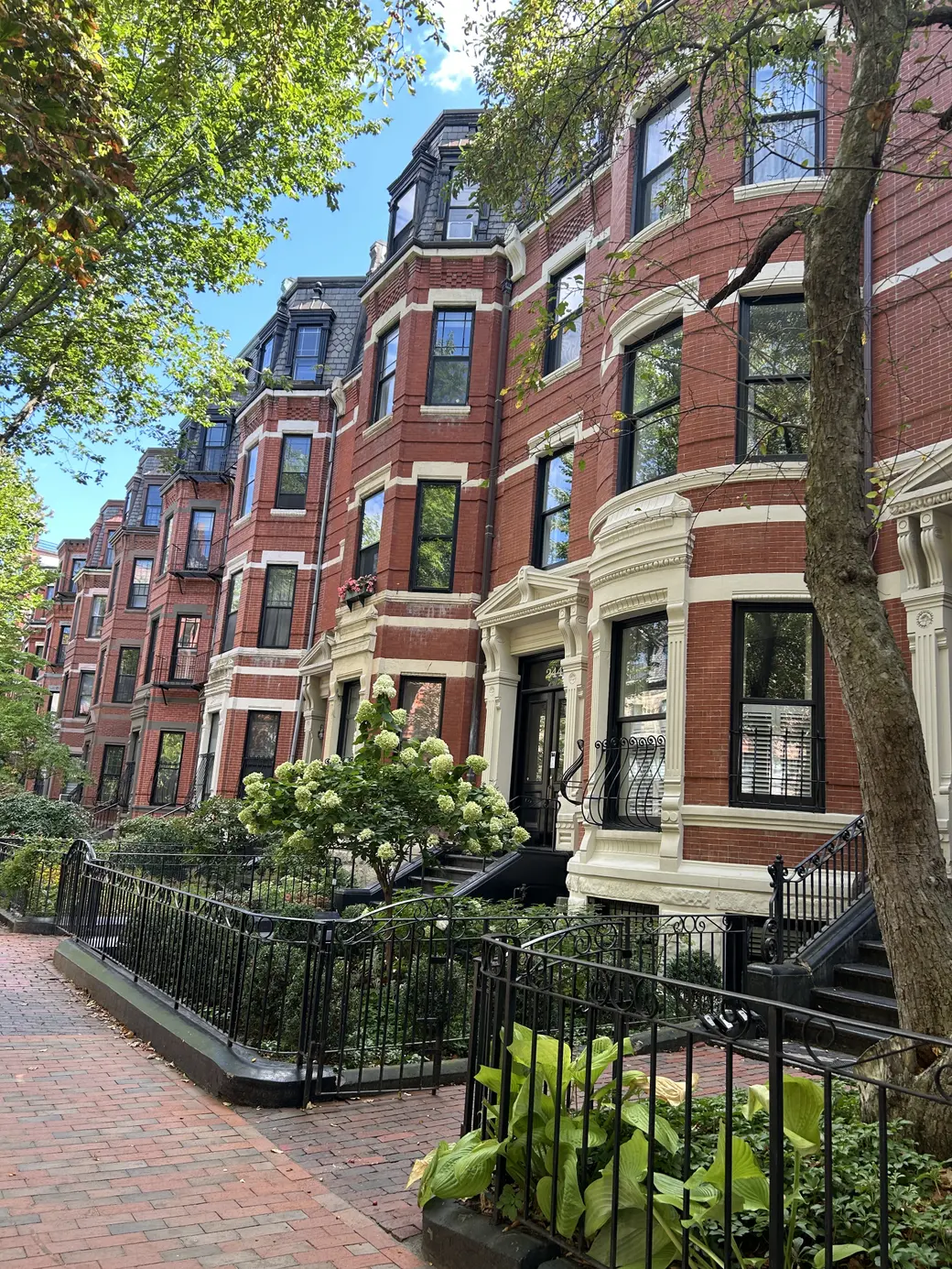
Searching for Back Bay brownstones for sale is often the beginning of a very specific vision.
A bay window overlooking a residential street.
Historic details that give a home its character.
A walk to Newbury Street, Commonwealth Avenue, or the Charles River Esplanade.
And a residence that feels connected to Boston’s architecture and everyday life.
But finding the right Back Bay brownstone takes more than recognizing a beautiful facade.
Two homes in the same neighborhood can offer very different experiences once you look at the entrance, floor plan, natural light, stairs, building condition, and ownership responsibilities.
The most useful question is:
How would this particular home work for the way I actually live?
This guide focuses on that decision: comparing brownstone residences as homes, from the first search through a more informed property tour.
Annie Youssoufian, Broker/Owner of Boston Brownstones Realty, PLLC, helps buyers look beyond the listing photos and understand the details that distinguish one Boston property from another.
What Does “Back Bay Brownstone” Mean in a Property Search?
Brownstone describes architecture and materials. It does not, by itself, tell you what you would own.
A listing might represent an entire single-family residence, a multi-unit building, or one condominium within a historic row house.
That difference affects everything from the spaces you control to how maintenance decisions are made.
When comparing Boston Back Bay brownstones, start by identifying the actual property type.
- An entire single-family home
- A condominium within a converted brownstone
- A duplex or triplex spanning multiple levels
- A multi-unit property with separate residences
An entire home may offer more control over its spaces and systems, along with responsibility for the building as a whole.
A condominium involves ownership of a unit and shared responsibilities defined by the condominium documents.
Neither arrangement is automatically better.
The right choice depends on the space you need, the responsibilities you want, and the ownership experience you are prepared to take on.
Start With Your Daily Routine Before Your Wish List
A search can become overwhelming when every property is judged against a long list of attractive features.
Begin with the parts of your day that your home needs to support.
Do you carry groceries up several flights?
Do you need a quiet room for working from home?
Will you use outdoor space every day, or only occasionally?
Does your routine involve a car, public transportation, a bicycle, or frequent walking?
These answers help separate essential features from appealing extras.
- The number of stairs you are comfortable using daily
- The bedrooms and work spaces you actually need
- Your preferred relationship between kitchen, dining, and living areas
- Storage for coats, luggage, bicycles, or pet supplies
- Your need for parking, an elevator, or direct outdoor access
- The amount of maintenance you want to manage
A smaller home with an efficient layout may work better than a larger residence with awkward circulation.
A roof deck may look wonderful online but matter less to you than an entrance that makes every morning easier.
The goal is to choose the property around your life.
How to Compare Floor Levels in a Back Bay Brownstone
Floor level influences more than the view.
It can affect privacy, access, daylight, room proportions, and the number of stairs between your front door and the street.
The labels used in listings are only a starting point. Tour the actual spaces.
Garden-Level Residences
A garden-level home may offer direct access to a patio or a more private entrance.
Look carefully at window placement, the relationship to the sidewalk, natural light, and how the rooms feel at different times of day.
Ask about drainage, prior water intrusion, ventilation, and the condition of spaces near exterior walls.
A professionally evaluated building condition matters more than assumptions based on the floor label.
Parlor-Level Homes
Parlor-level residences may include tall ceilings, generous windows, and distinctive architectural details.
Those features can be compelling, but room proportions deserve attention too.
Where would your sofa go?
Can the dining area accommodate the way you entertain?
Does the bedroom arrangement provide the privacy you want?
A beautiful room needs to function as a room.
Upper-Floor Homes
An upper-floor brownstone residence may offer a different outlook, more separation from street activity, or access to outdoor space.
Check the actual stair route and whether elevator access exists.
Consider deliveries, groceries, moving furniture, and the needs you may have several years from now.
Also ask about roof condition and which maintenance responsibilities belong to the association or individual owner.
Duplexes and Multi-Level Layouts
A duplex can create useful separation between living and sleeping spaces.
It can also make internal stairs part of nearly every daily activity.
Walk the route from the bedroom to the kitchen, laundry, entrance, and outdoor area.
A floor plan helps explain the layout. Using it during a tour helps explain the experience.
Natural Light: Look Beyond the Bright Listing Photo
Daylight can change how a historic Boston home feels.
A listing photograph captures one angle at one moment. It cannot tell you how light moves through the residence throughout the day.
During a tour, consider:
- The direction and size of the windows
- Nearby buildings and other obstructions
- Which rooms receive direct or indirect light
- The depth of the floor plan
- Privacy when window coverings are open
- Whether your preferred work space has comfortable daylight
If light is a priority, ask whether a second visit at a different time is possible.
Pay attention to bedrooms and work areas as well as the main living room.
The room you use most should receive as much consideration as the room that photographs best.
Compare the Exact Block, Entrance, and Surroundings
Back Bay real estate is highly property-specific.
A neighborhood name does not describe every block, doorway, or outlook.
Walk the immediate area and consider your real destinations: your commute, errands, outdoor routines, dining, and transportation.
Stand outside the entrance for a few minutes.
Listen to the surrounding activity.
Notice the relationship between residential spaces, nearby businesses, intersections, and deliveries.
Then look at the entry itself.
- Exterior steps and the condition of railings
- Lighting and visibility at the entrance
- Access through the common hallway
- Package delivery arrangements
- The route to storage, laundry, parking, and outdoor space
These may feel like small details during a showing.
They become familiar parts of living there.
Explore Back Bay homes and condos for sale:
https://www.bosbrown.com/boston-MA/back-bay/listings
Parking and Outdoor Space: Confirm What Is Included
Parking and private outdoor space can distinguish one brownstone from another.
They also require precise questions.
If a listing includes parking, establish whether the arrangement is deeded, assigned, leased, or otherwise documented.
Ask where it is, how it is accessed, and what costs or conditions apply.
A nearby parking option is a different proposition from a space included with the property.
For outdoor space, confirm ownership and use rights, access, maintenance responsibilities, and applicable building rules.
- Is the patio, deck, or terrace private, shared, or exclusive-use?
- Can you access it directly from the residence?
- Who maintains the surface, railings, and supporting structure?
- Are there rules about furniture, plantings, pets, or use?
- What documentation exists for construction or alterations?
The important feature is the one you can use as expected after closing.
Treat the written documentation as part of the comparison.
Read the Building as Carefully as the Residence
When reviewing Back Bay condos for sale within brownstones, remember that the unit interior is only part of the property.
A newly updated kitchen does not describe the roof, masonry, common areas, or condominium association.
Ask for the documents and information needed to understand both the physical building and its management.
- The condominium budget and available reserves
- Current monthly fees and what they cover
- Recent and planned maintenance projects
- Assessments and known upcoming work
- Insurance information
- Relevant meeting minutes and association rules
- Responsibility for windows, roofs, decks, and exterior repairs
A small association can feel personal and straightforward, but it still needs a workable approach to shared decisions and expenses.
Ask how projects are approved and funded.
Understand whether the costs you see today reflect ongoing maintenance needs or simply the current monthly payment.
For an entire brownstone, shift the same questions toward the building itself: what has been maintained, what may need work, and what ownership will require.
Historic Character and Renovation Plans Need to Work Together
Original details can be a major reason to buy a Boston brownstone.
But a future renovation should be evaluated before it becomes part of the reason to make an offer.
In the Back Bay Architectural District, the City of Boston states that proposed exterior work requires commission review and approval before work begins.
Confirm district boundaries and consult the commission early about exterior plans. Interior projects may raise separate building, structural, or condominium approval questions.
A new window, altered entry, or proposed outdoor space should never be treated as a guaranteed future feature.
Review the City of Boston’s Back Bay Architectural District requirements:
https://www.boston.gov/historic-district/back-bay-architectural-district
If a change is essential to your decision, investigate its feasibility with the appropriate professionals before committing to the property.
A home that already supports your needs may offer a simpler path than one that depends on several uncertain alterations.
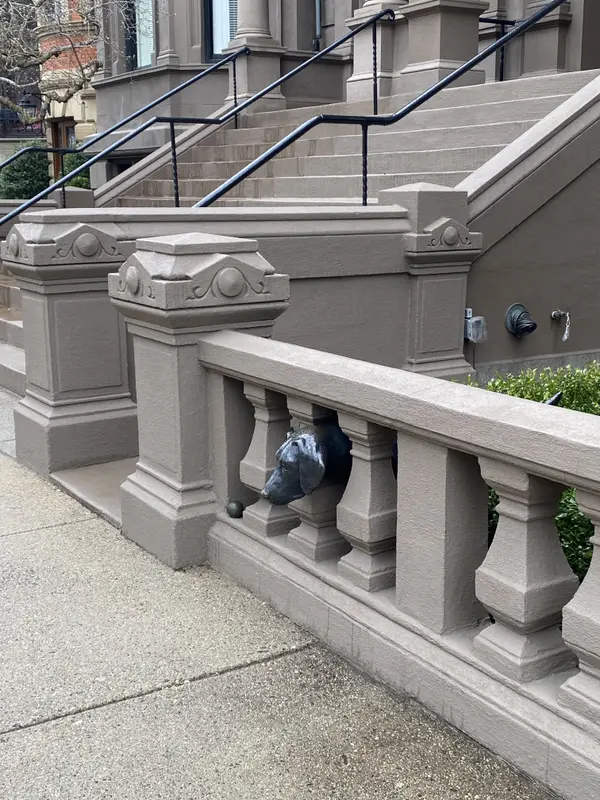
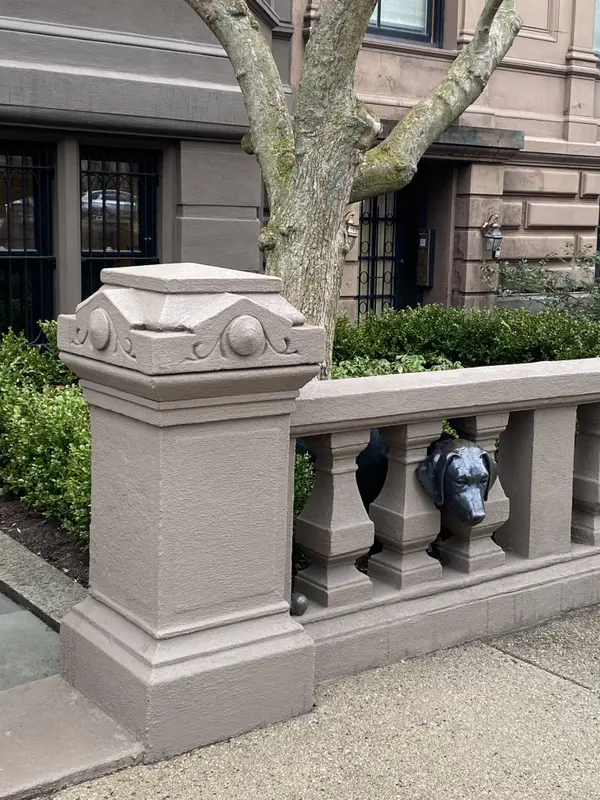
Buying a Back Bay Brownstone With a Dog
For dog owners, the most important details often sit between the living room and the sidewalk.
How many stairs are involved in each walk?
Is there a practical place to clean paws and store a leash?
How easy is the route outside during rain or colder weather?
When the property is a condominium, review the actual pet policy rather than assuming a brownstone setting means unrestricted pet ownership.
Check any limits, approval requirements, and common-area rules.
Think about your dog’s needs alongside your own preferences for light, outdoor access, and layout.
A property can be attractive and still create a daily routine that does not suit you.
How to Make Property Tours More Useful
After several showings, it can be difficult to remember which home offered which advantage.
Use the same comparison criteria for every property.
Record what you know, what you prefer, and what still needs verification.
- Ownership type and usable room arrangement
- Entrance, stairs, and elevator access
- Daylight, privacy, and outlook
- Parking and outdoor-space documentation
- Storage and laundry
- Building condition and condominium information
- Changes you would need to make
- Questions requiring professional follow-up
Separate an observable feature from an assumption.
“Private patio shown in listing” and “exclusive use confirmed in documents” are different stages of understanding.
That distinction keeps an appealing photograph from becoming an unverified expectation.
Compare Brownstones and Other Boston Luxury Homes on Your Own Terms
Some buyers begin with a brownstone and eventually compare it with a residence in a larger condominium building.
Others do the reverse.
Historic architecture, individual entrances, and smaller buildings may appeal to one buyer. Elevator access, amenities, or a different management arrangement may appeal to another.
Compare the complete experience.
- How the home fits your daily routine
- Which amenities you would actually use
- Monthly and future ownership responsibilities
- Privacy and common-area activity
- Outdoor access and parking
- The layout and features you cannot easily change
Boston luxury real estate offers different kinds of value to different buyers.
Your best fit is the residence whose features and responsibilities align with your priorities.
Why Work With a Back Bay Real Estate Broker?
A focused search turns a broad preference into a practical set of decisions.
Annie Youssoufian and Boston Brownstones Realty, PLLC help buyers compare Boston brownstones, condominiums, and distinctive homes with attention to neighborhood and building details.
That guidance can help connect what you like about a listing with the questions you need answered about the property.
Which differences matter to your routine?
Which features are documented?
Which conditions require further investigation?
And which tradeoffs are you comfortable making?
The value of local guidance is in making the comparison clearer.
Frequently Asked Questions About Back Bay Brownstones for Sale
Where can I find Back Bay brownstones for sale?
Begin with current Back Bay property listings and identify whether each result is an entire residence, a condominium in a brownstone, or another property type. Boston Brownstones Realty’s Back Bay search provides a starting point; confirm availability and property details before arranging a showing.
Is a Back Bay brownstone always a single-family home?
No. A brownstone can contain one home, multiple residences, or condominium units. The architecture does not establish the ownership structure. Review the listing and property documents to understand exactly what is being sold.
What should I look for when buying a brownstone in Boston?
Compare layout, light, stairs, exact location, parking, outdoor space, building condition, maintenance history, and ownership responsibilities. For a condominium, also review association finances, rules, and planned projects.
Are upper-floor brownstone condos better than garden-level homes?
It depends on your priorities and the specific residence. Compare daylight, privacy, stairs, access, condition, and outdoor space. Floor labels alone do not establish quality or suitability.
Do Back Bay brownstones have elevators?
Some buildings have elevator access and others do not. Confirm the actual route to the unit, where the elevator stops, and any remaining stairs. Include building maintenance information in your review.
Does parking come with a Back Bay brownstone?
Parking is property-specific. Confirm whether a space is included and whether its use is deeded, assigned, leased, or governed by another arrangement. Review the relevant documents and costs.
Can I renovate a brownstone in Back Bay?
The answer depends on the property, proposed work, district requirements, and ownership structure. Exterior work within the Back Bay Architectural District requires commission approval before work begins. Consult the relevant authorities and professionals early.
Are brownstone condos in Back Bay dog-friendly?
Pet rules vary by association. Review the current policy and any approval or other restrictions. Also consider stairs, the entrance, storage, and access outside as part of your everyday routine.
Who can help me compare Boston Back Bay brownstones?
Annie Youssoufian, Broker/Owner of Boston Brownstones Realty, PLLC, can help you organize your search and compare neighborhood, property, and building details.
Find the Back Bay Brownstone That Fits Your Life
The right home should do more than look like the Boston you imagined.
It should support the way you live.
Your entrance.
Your rooms.
Your daylight.
Your daily walks.
Your ownership responsibilities.
And your plans for the years ahead.
If you are exploring Back Bay brownstones for sale, start with a focused conversation about those priorities.
Connect with Annie Youssoufian and Boston Brownstones Realty, PLLC to plan your search and compare homes with a clearer understanding of what matters to you.
Browse Back Bay homes for sale
Categories
Recent Posts