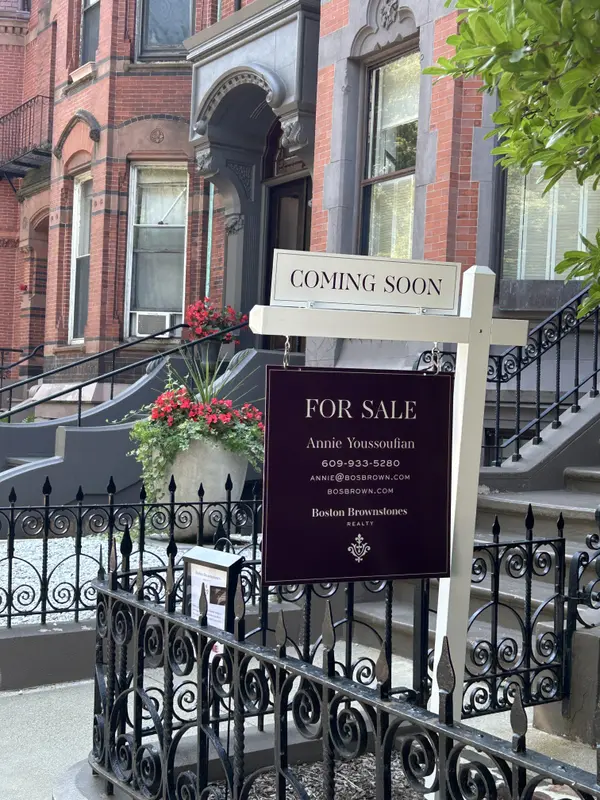
What Is My Back Bay Home Worth? A 2026 Seller’s Guide
For a Back Bay homeowner, one of the most important real estate questions is also one of the most difficult to answer online:
What is my home actually worth?
An automated estimate may provide a number.
A recent sale around the corner may provide another.
A neighbor may tell you what their property sold for.
And an online search for Back Bay home value may produce dozens of different opinions about the Boston market.
But valuing a Back Bay property is rarely that simple.
Two homes separated by a single block — or even located inside the same brownstone — can have substantially different values.
Why?
Because buyers in Back Bay are not purchasing square footage alone.
They are evaluating:
- Exact street and block
- Property type
- Building condition
- Renovation quality
- Floor level
- Natural light
- Outdoor space
- Parking
- Elevator access
- Views
- Historic character
- Condominium finances
- Layout
- And the lifestyle surrounding the home
According to Annie Youssoufian, Broker/Owner of Boston Brownstones Realty, PLLC, understanding property value in Back Bay requires looking at the home at a building, block, and neighborhood level.
That is what makes a professional Boston home valuation so different from a generic online estimate.
Why Back Bay Home Values Are So Property-Specific
Back Bay is one of Boston's most recognizable residential neighborhoods.
Brownstone-lined streets.
Commonwealth Avenue.
Marlborough Street.
Beacon Street.
The Charles River Esplanade.
Newbury Street.
Copley Square.
The Public Garden.
Luxury condominiums.
Historic residences.
Full-service buildings.
Those different environments exist within a relatively compact neighborhood.
Yet the properties within them can vary dramatically.
A renovated penthouse overlooking the Public Garden is not directly comparable to a garden-level brownstone condominium several blocks away.
A home with deeded parking may compete differently from one without it.
A property with private outdoor space may appeal to a different group of buyers than an otherwise similar residence without it.
Even two condominiums with similar square footage may command different prices because one has better light, a stronger floor plan, elevator access, or more desirable building characteristics.
That is why understanding Back Bay home value begins with identifying the factors that make the individual property different.
1. Your Exact Back Bay Location Matters
Real estate has always been about location.
In Back Bay, location becomes extremely specific.
The neighborhood is walkable enough that buyers may care not only about being in Back Bay, but precisely where within Back Bay they are buying.
A property may appeal differently depending on its proximity to:
- The Charles River Esplanade
- Commonwealth Avenue Mall
- Newbury Street
- The Public Garden
- Copley Square
- Neighborhood restaurants
- Public transportation
- Schools
- Shopping
- Employment centers
- Quieter residential streets
Different buyers prioritize different parts of the neighborhood.
That means two properties that appear similar on paper may compete for somewhat different audiences.
When determining value, the correct comparable sale is not always simply the closest sale.
It should also be a property that buyers would realistically have considered as an alternative.
2. The Street — and Sometimes the Block — Can Affect Value
Back Bay buyers often develop very specific location preferences.
Commonwealth Avenue.
Marlborough Street.
Beacon Street.
Certain blocks closer to the Public Garden.
Others closer to the Charles River.
Different locations can offer different views, light, architecture, traffic patterns, walking routes, and residential experiences.
This is one reason automated valuations can struggle in neighborhoods like Back Bay.
An algorithm may understand:
Two bedrooms.
Two bathrooms.
1,600 square feet.
But a buyer may understand:
Which side of the street?
Which floor?
How much light?
What does the building entrance look like?
Is there parking?
What does the view look like?
How close is the river?
How does the block feel?
Those differences can influence what buyers are willing to pay.
3. Brownstone Value Is About More Than Square Footage
For homeowners considering whether to sell a brownstone in Boston, square footage is only part of the value equation.
Historic Boston brownstones can differ considerably in:
- Ceiling height
- Window size
- Original architectural details
- Fireplace surrounds
- Millwork
- Staircases
- Floor plan
- Building width
- Exposure
- Natural light
- Outdoor space
- Entry configuration
- Renovation quality
One home may preserve exceptional historic details while providing modern systems and finishes.
Another may have been renovated in a way that removed some of the architectural character buyers associate with Back Bay.
There is not one universal answer about which is more valuable.
The question is how the property compares with what current buyers are seeking.
That is where understanding Boston brownstone value requires both market data and local judgment.
4. Renovation Quality Can Have a Major Impact
“Renovated” does not automatically mean “premium.”
Buyers look closely at quality.
A thoughtful renovation may improve:
Functionality.
Lighting.
Storage.
Flow.
Mechanical systems.
Kitchens.
Bathrooms.
Energy efficiency.
And overall livability.
But buyers can also recognize renovations that were primarily cosmetic.
When preparing a professional Boston home valuation, it is important to distinguish between:
A recently updated property.
And a property renovated to a level that materially changes how buyers perceive it.
The age of the renovation can matter too.
A luxury kitchen completed fifteen years ago may no longer compete directly with a newly renovated property despite both technically being described as updated.
5. Parking Can Be a Significant Differentiator
Parking is one of the clearest examples of a feature that cannot always be easily added later.
Some Back Bay buyers do not need a car.
Others consider parking essential.
For the second group, a property with:
- Deeded parking
- Garage parking
- Direct-access parking
- Or another clearly established parking arrangement
may immediately become more attractive.
When comparing recent sales, sellers should be careful about treating a property with parking as directly comparable to one without it.
The market may not value those homes the same way.
6. Private Outdoor Space Can Change Buyer Demand
Outdoor space is another highly property-specific feature.
A private:
- Roof deck
- Terrace
- Patio
- Balcony
- Garden
- Courtyard
can materially change how buyers experience a property.
Outdoor space can be particularly appealing to:
Families.
Dog owners.
Buyers who entertain.
Professionals working from home.
And anyone looking for a stronger connection between city living and private outdoor access.
This does not mean every square foot of outdoor space receives the same value.
Quality matters.
Privacy matters.
Accessibility matters.
Usability matters.
And views can matter.
But when comparing properties, meaningful private outdoor space deserves its own consideration.
7. Floor Level Can Affect Back Bay Condo Value
In a brownstone or condominium building, floor level can influence value in several ways.
An upper-floor residence may benefit from:
- More natural light
- Better views
- Greater privacy
- Reduced street-level noise
But an upper-floor property without an elevator may also involve several flights of stairs.
A garden-level residence may offer:
- Easier exterior access
- Direct patio access
- A different floor plan
- Convenient entry for dogs or families
But it may receive less natural light depending on the property.
There is no universal “best floor.”
There is only the way each residence's characteristics affect buyer demand.
8. Elevator Access Can Become More Valuable Than Sellers Expect
Elevator access can influence a property's buyer pool.
That may be particularly true for:
- Downsizers
- Families with young children
- Buyers planning long-term ownership
- People with accessibility concerns
- Buyers carrying groceries, luggage, or equipment regularly
In a historic neighborhood dominated by older buildings, modern convenience can become a meaningful differentiator.
A fourth-floor property with direct elevator access can compete very differently from a fourth-floor walk-up.
That difference should be reflected when selecting comparable properties.
9. Layout Matters More Than the Bedroom Count
Two homes may both be listed as three-bedroom properties.
That does not mean buyers experience them equally.
One may offer:
A true primary suite.
Three functional bedrooms.
An office.
Logical living and dining spaces.
Strong storage.
And good separation between private and entertaining areas.
Another may technically contain three bedrooms while sacrificing flow or usable living space.
Buyers increasingly evaluate how a property functions, particularly as homes support more activities than they once did.
Work.
Family.
Entertaining.
Exercise.
Children.
Pets.
Guests.
Storage.
A functional layout can sometimes outperform a larger but awkward property.
10. Natural Light and Exposure Are Difficult to Measure Online
Square footage appears in a database.
Natural light does not.
Yet light can dramatically change how buyers experience a home.
The number of exposures.
Window placement.
Floor level.
Surrounding buildings.
Ceiling height.
Bay windows.
Tree cover.
Orientation.
All contribute to how bright or dark a property feels.
These are exactly the kinds of details that are difficult for automated valuation models to understand.
But buyers notice them immediately during a showing.
11. The Condominium Association Matters
For Back Bay condominium owners, the residence cannot be valued completely independently from the building.
Buyers may review:
- Condominium budget
- Reserve funds
- Monthly fees
- Recent assessments
- Potential future assessments
- Insurance
- Maintenance history
- Common areas
- Exterior condition
- Roof condition
- Building systems
- Association rules
A beautifully renovated condominium inside a building facing significant upcoming capital expenses may be evaluated differently from a similar residence within a financially strong and well-maintained association.
That makes condominium due diligence relevant not only during a purchase.
It can also affect resale value.
12. Historic Character Can Be an Asset — When Buyers Value It
Back Bay's architecture is one of the reasons the neighborhood remains so distinctive.
Historic details may include:
- Original fireplaces
- Decorative moldings
- High ceilings
- Bay windows
- Original doors
- Millwork
- Ornamental plaster
- Grand staircases
- Period architectural elements
For the right buyer, those characteristics can be extremely desirable.
But preservation alone does not determine value.
The strongest properties often balance character with modern functionality.
Buyers may appreciate walking into a home that still feels unmistakably Boston while functioning comfortably for contemporary life.
Why Online Home Estimates Can Miss the Mark in Back Bay
Automated valuation tools can be useful as an initial reference.
But Back Bay is exactly the kind of market where homeowners should be careful about treating an automated number as definitive.
Online tools may rely heavily on:
- Recorded square footage
- Bedroom count
- Bathroom count
- Prior sales
- Nearby transactions
- Broad market trends
Those data points matter.
But an algorithm may have difficulty determining whether your home has:
Exceptional natural light.
A private roof deck.
Deeded parking.
A superior renovation.
Direct elevator access.
An unusually functional layout.
Historic architectural details.
A preferred location within the building.
Or a substantially better block.
Those differences can matter greatly to actual buyers.
That is why a professional Boston home valuation should combine market data with direct knowledge of the property.
What Comparable Sales Should Back Bay Sellers Use?
One of the most important parts of determining value is selecting the correct comparable properties.
A useful comparable should ideally share several relevant characteristics with the subject property.
That may include:
- Neighborhood
- Street or nearby location
- Property type
- Building style
- Square footage
- Bedroom and bathroom count
- Floor level
- Condition
- Renovation quality
- Parking
- Outdoor space
- Elevator
- Views
- Ownership structure
The most recent sale is not automatically the best comparable.
Neither is the closest sale.
The goal is to identify properties that competed — or would reasonably compete — for the same buyer.
Active Listings Matter Too
Closed sales tell you what buyers have paid.
Active listings tell you what today's buyer is considering.
Both matter.
If someone visits your property and then compares it with three other listings in Back Bay, those competing homes help shape their perception of your value.
A seller needs to understand not only:
What sold?
But also:
What else can my buyer purchase right now?
That is a fundamentally different question.
And it can affect pricing strategy significantly.
Pending Sales Can Reveal Where the Market Is Moving
Pending transactions can provide additional clues about current buyer demand.
Although the final sale price may not yet be publicly available, the fact that a property secured a buyer can tell sellers something about:
- Which price ranges are active
- Which property types are attracting demand
- How quickly certain homes are moving
- Whether available inventory is being absorbed
When evaluating the Back Bay real estate market, Annie looks at the broader competitive picture rather than relying on one isolated sale.
Asking Price and Market Value Are Not the Same Thing
This distinction is important.
A seller can choose any asking price.
The market ultimately determines value.
Pricing a home above comparable market evidence does not automatically make it worth more.
In fact, unrealistic pricing can sometimes work against a seller by reducing early buyer interest.
The strongest pricing strategies consider:
- Relevant comparable sales
- Current competition
- Buyer demand
- Property condition
- Unique features
- Market timing
- Likely buyer expectations
The goal is not simply to choose the highest possible number.
It is to position the property so qualified buyers recognize its value.
Should You Price High and Leave Room to Negotiate?
Many homeowners understandably consider this approach.
Why not start high?
You can always reduce the price later.
The challenge is that the first days and weeks of a listing often represent a property's strongest period of buyer attention.
A home that appears significantly overpriced may encourage buyers to wait.
Or skip the property entirely.
Pricing strategy should create interest rather than resistance.
That does not mean intentionally underpricing every property.
It means understanding the likely range in which serious buyers will engage.
In a distinctive market like Back Bay, that requires judgment.
When Is the Best Time to Sell a Back Bay Home?
There is no single date that works for every seller.
Spring and fall are traditionally important Boston real estate seasons, but serious buyers can be active throughout the year.
The better questions are:
What is the current inventory?
What competing properties are available?
How much buyer demand exists for my property type?
Is my home ready to show at its best?
What is happening in my specific price range?
A September seller may face a very different competitive environment from someone listing the following March.
That is why timing should be evaluated alongside market conditions rather than according to the calendar alone.
Should I Sell My Back Bay Home This Fall?
For homeowners considering selling in fall 2026, the decision should begin with three questions:
1. What is my property worth today?
Not last year.
Not based on an old online estimate.
Today.
2. What would I be competing against?
The answer can significantly affect pricing and timing.
3. What would need to happen before the property is ready?
Some homes need very little preparation.
Others may benefit from:
- Painting
- Repairs
- Decluttering
- Staging
- Styling
- Lighting improvements
- Professional photography
- Floor plans
- Exterior preparation
Knowing the likely value before making those decisions can help sellers determine which improvements make sense.
What Improvements Actually Increase Back Bay Home Value?
Not every dollar spent before selling produces an equal return.
A seller should distinguish between:
Fixing a problem buyers will notice
and
Making an expensive improvement simply because it is possible.
Depending on the property, preparation might focus on:
- Fresh paint
- Lighting
- Minor repairs
- Refinishing floors
- Decluttering
- Staging
- Improving the entry
- Updating dated fixtures
- Addressing visible maintenance issues
A full renovation shortly before selling may or may not make financial sense.
The answer depends on the current condition of the home, target buyer, likely sale price, and cost of the work.
This is another reason obtaining a valuation before beginning major improvements can be useful.
What Makes a Back Bay Home Sell for a Premium?
No single feature guarantees a premium.
But properties can become particularly compelling when several scarce qualities appear together.
For example:
A desirable block.
Historic architecture.
High-quality renovation.
Exceptional light.
Private outdoor space.
Parking.
Elevator access.
Strong building finances.
A functional floor plan.
And excellent presentation.
The more difficult those attributes are to replicate, the more differentiated the property may become within the market.
Selling a Back Bay Brownstone Requires a Different Strategy
Homeowners searching “sell my brownstone Boston” may need a different strategy from someone selling a conventional condominium.
A brownstone's value often exists in both:
The residence.
And its story.
Architecture matters.
Street matters.
History matters.
Layout matters.
Renovation matters.
Lifestyle matters.
Marketing should communicate why the property is distinctive rather than reducing it to a bedroom and bathroom count.
That may mean emphasizing:
- Historic details
- Architectural character
- Outdoor space
- Parking
- Natural light
- Ceiling height
- Residential street
- Proximity to the Charles River
- Walkability
- Entertaining space
- Building history
- Neighborhood lifestyle
The right buyer needs to understand not simply what is being sold.
They need to understand why it is difficult to replace.
Selling a Back Bay Condo Also Requires Building-Level Knowledge
Homeowners searching “sell my condo Boston” should consider how buyers will evaluate both the residence and the building.
A prospective buyer may want to understand:
The condo fee.
Reserve funds.
Building maintenance.
Recent improvements.
Upcoming projects.
Elevator.
Common areas.
Pet policies.
Parking.
Outdoor space.
Management.
The strength of the overall association.
A strong listing strategy anticipates those questions rather than waiting for them to become objections.
Why Work With a Local Back Bay Real Estate Broker?
A property valuation is only as useful as the context behind it.
Annie Youssoufian is the Broker/Owner of Boston Brownstones Realty, PLLC and a Back Bay resident who works directly with buyers and sellers throughout the neighborhood.
Her understanding of the market goes beyond broad Boston statistics.
It includes the differences between:
Buildings.
Blocks.
Brownstones.
Condominium associations.
Renovations.
Floor plans.
Parking arrangements.
Outdoor spaces.
And the lifestyles buyers are seeking in different parts of Back Bay.
For a homeowner deciding whether to sell, that local knowledge can help answer the two questions that matter most:
What is my property worth?
And:
What is the best strategy for getting there?
Frequently Asked Questions About Back Bay Home Value
What is my Back Bay home worth?
Your Back Bay home's value depends on factors including exact location, property type, size, condition, renovation quality, floor level, natural light, parking, outdoor space, elevator access, building condition, condominium finances, and current buyer demand. A property-specific market analysis is more useful than relying only on a broad online estimate.
How do I get a Boston home valuation?
A professional Boston home valuation typically involves reviewing the property itself along with recent comparable sales, active listings, pending transactions, neighborhood conditions, building characteristics, and current buyer demand.
Do online estimates accurately value Back Bay homes?
Online estimates can provide a starting point, but they may not fully account for highly property-specific features such as exact block, views, natural light, historic details, renovation quality, parking, outdoor space, floor level, or condominium condition.
Does parking increase Back Bay home value?
Parking can be a meaningful differentiator for some buyers because it is limited and cannot always be added to a property later. The specific value depends on the parking arrangement, property, location, and current buyer demand.
Does a roof deck increase the value of a Back Bay condo?
Usable private outdoor space can increase buyer appeal and may influence value. The impact depends on factors including size, privacy, access, views, condition, and how the space compares with competing properties.
Does an elevator increase condo value in Back Bay?
Elevator access can expand the potential buyer pool, particularly for upper-floor homes, downsizers, families, and buyers considering long-term accessibility. Its impact varies by property and building.
How much is my Boston brownstone worth?
Boston brownstone value depends on location, size, condition, architectural details, renovation history, ownership structure, outdoor space, parking, layout, building condition, and comparable sales. Brownstones should be evaluated individually rather than valued solely by price per square foot.
Is fall a good time to sell a home in Back Bay Boston?
Fall can be an active Boston real estate season, but the best timing depends on current inventory, buyer demand, competing listings, property readiness, and the seller's goals. Evaluating current neighborhood conditions can help determine whether listing now or waiting makes more sense.
How should I price my Back Bay home?
Pricing should consider recent comparable sales, competing active listings, current demand, property condition, unique features, and likely buyer behavior. The goal should be positioning the property strategically rather than choosing a price based solely on an automated valuation.
Who can help me sell my home in Back Bay Boston?
Annie Youssoufian, Broker/Owner of Boston Brownstones Realty, PLLC, works with Back Bay homeowners on property valuation, pricing, preparation, marketing, negotiation, and sale strategy.
Your Back Bay Home Is More Than an Online Estimate
A Back Bay property cannot always be reduced to an algorithm.
The details matter.
The building matters.
The block matters.
The renovation matters.
The light matters.
The parking matters.
The outdoor space matters.
The buyer matters.
And the current market matters.
That is why determining Back Bay home value requires more than entering an address into an online calculator.
It requires understanding what makes the property different and how today's buyers are likely to value those differences.
If you are considering whether to sell a home in Back Bay Boston, sell a condominium, sell a brownstone, or simply want to understand what your property may be worth in the current market, begin with a property-specific conversation.
Connect with Annie Youssoufian and Boston Brownstones Realty, PLLC for a personalized Back Bay home valuation and selling strategy.
Explore Back Bay real estate:
https://www.bosbrown.com/boston-MA/back-bay/listings
Contact Annie Youssoufian:
https://www.bosbrown.com/contact
Categories
Recent Posts