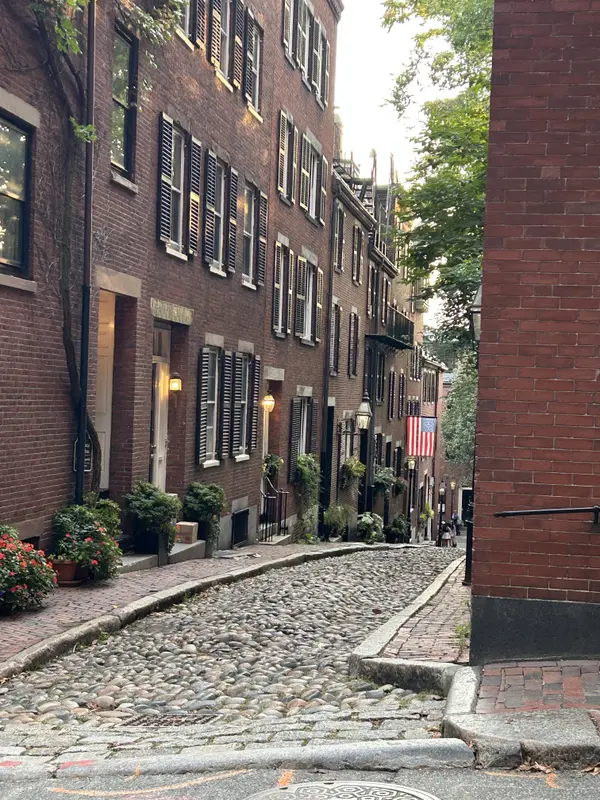
Selling a Brownstone in Boston: How to Prepare and Market Your Back Bay Home
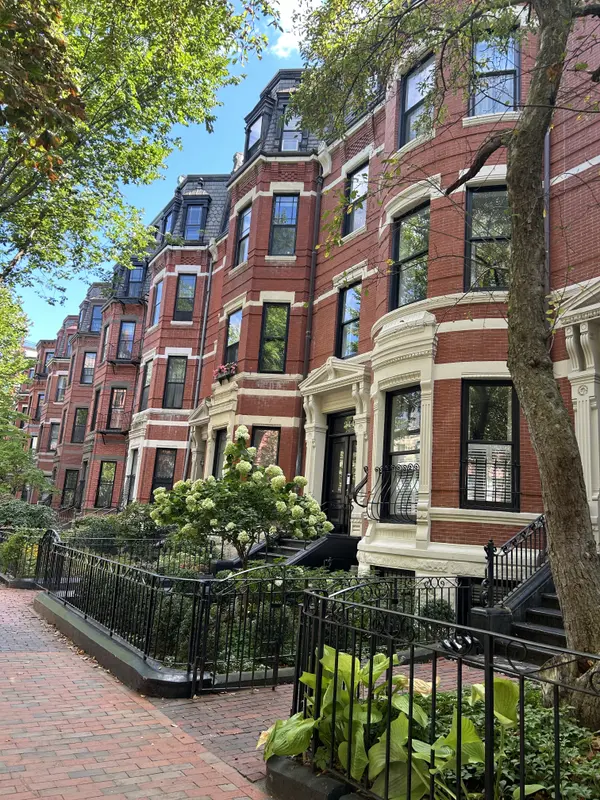
Selling a brownstone in Boston begins with understanding what makes the property distinctive.
The architecture.
The street.
The layout.
The light.
The renovation history.
And the details a buyer needs to feel comfortable becoming the next owner.
A brownstone is not fully explained by a bedroom count and a price per square foot.
Its marketing should help buyers see how those features work together, while its preparation should make the property easier to evaluate.
For homeowners considering a sale as fall gives way to winter, the useful question is:
What would need to be ready before my home goes on the market?
This guide turns that question into a practical sequence: clarify the property, assemble the information, decide what to improve, prepare the presentation, and build a plan for launch and negotiation.
Annie Youssoufian, Broker/Owner of Boston Brownstones Realty, PLLC, works with sellers on market analysis, home preparation, marketing, showings, and the steps through closing.
Start by Defining Exactly What You Are Selling
A single-family brownstone and a condominium within a brownstone may share architectural character, but they require different explanations for buyers.
For an entire home, the discussion may center on control, systems, maintenance, and how the building functions as a whole.
For a condominium, buyers also need to understand shared areas, association finances, rules, and the responsibilities attached to the unit.
Clarify the ownership structure before creating the listing story.
- The property type and spaces included in the sale
- The configuration of bedrooms, living areas, and additional rooms
- Parking ownership or use arrangements
- Private, shared, or exclusive-use outdoor space
- Storage and other associated spaces
- Shared maintenance responsibilities when applicable
Accurate descriptions help buyers compare the property and reduce the chance that an appealing feature becomes a point of confusion later.
A clear listing begins with a clear understanding of the property.
Turn Your Home’s Features Into a Buyer’s Reason to Visit
Many brownstone listings include similar words: historic, charming, renovated, spacious.
Those descriptions become more useful when they explain something specific.
What makes your residence different from the next property a buyer will see?
A parlor-level living room may offer room for both seating and dining.
A direct entrance may simplify coming and going.
A well-designed duplex may separate entertaining areas from bedrooms.
A documented parking arrangement may address a practical need.
Start with the actual feature, then explain how it works.
- Tall windows and how they bring light into the main living space
- Period details that remain visible and well maintained
- A floor plan with a practical room arrangement
- A patio or terrace with clearly established use rights
- An entrance and stair route buyers can understand
- Storage, laundry, parking, or elevator access when present
The strongest description is specific enough that a buyer can recognize the feature during a showing.
Avoid promising a renovation, use, or amenity that has not been verified.
Prepare the Property Information Before the First Showing
A buyer may become interested in minutes and then spend days working through questions.
Good preparation gives those questions a reliable place to land.
Before listing, gather the information you have about the property and identify what still needs to be confirmed.
- Floor plans and available property measurements
- Records of completed improvements and major maintenance
- Information about heating, cooling, and other systems
- Roof, masonry, and window work where documented
- Permits or approvals associated with relevant improvements
- Parking and outdoor-space documents
- Utility and operating-cost information where available
- Known issues that should be discussed with your broker and attorney
You do not need to invent a complete history where records are missing.
It is about making the information you do have organized and accurate.
If a renovation date is uncertain, verify it before describing the work as recent.
If an outdoor feature has specific conditions attached to its use, establish those conditions before making it a central selling point.
For a Brownstone Condo, Prepare the Building Story Too
A buyer interested in your unit is also evaluating the building.
Questions about a condominium association can influence how confidently someone proceeds, even when the residence shows beautifully.
Work with the appropriate association contact or manager to assemble current information.
- Condominium documents and relevant rules
- The current budget and monthly fees
- Reserve information
- Recent assessments and known planned projects
- Building insurance information
- Available meeting minutes
- Maintenance arrangements and management contacts
- Pet and rental rules when relevant to buyer questions
Understand which expenses belong to the owner and which are shared.
Keep descriptions of the association grounded in current documents rather than informal impressions.
A small brownstone association and a larger managed building may operate differently. Buyers need to understand the arrangement that applies to your home.
Organized records support a smoother review; they do not replace a buyer’s due diligence.
Choose Improvements Around the Property’s Actual Needs
Before spending money on preparation, distinguish between a maintenance problem, a presentation issue, and a major renovation idea.
They require different decisions.
An unresolved problem may raise questions about condition.
A cluttered room may make a sound layout hard to see.
A full kitchen renovation may involve cost, timing, and uncertainty that do not fit your selling plan.
Review the likely benefit and practical scope of each proposed change.
Address Visible Maintenance and Function
Walk through the home as someone seeing it for the first time.
Do doors and windows operate as expected?
Do the lights work?
Are railings secure?
Are there stains, damaged finishes, or other conditions that need investigation?
A qualified professional should evaluate issues that involve building systems or structure.
Avoid covering a symptom when the underlying cause is unresolved.
Improve How the Rooms Read
Decluttering, cleaning, thoughtful furniture placement, and appropriate lighting can help buyers understand the space.
A room used for several purposes may need a clearer arrangement for photographs and showings.
Remove items that distract from windows, architectural details, and circulation.
The objective is to reveal the property’s function and character.
Evaluate Major Work Before Committing
A substantial project deserves a separate decision about scope, approvals, cost, and schedule.
Ask whether the work solves a material concern or reflects a preference the next buyer may not share.
Discuss alternatives with your broker and appropriate professionals.
Preparation should support the sale you are planning, within the time and resources you have.
Preserve Historic Character During Pre-Sale Preparation
Boston brownstone real estate often appeals to buyers because the home has details that newer construction may not offer.
Treat those details thoughtfully.
Clean and present woodwork, mantels, windows, and other features in a way that helps buyers see them clearly.
Before planning exterior changes in the Back Bay Architectural District, review the City of Boston’s requirements. Proposed exterior work requires commission approval before it begins.
Consult the commission early rather than assuming pre-sale improvements are exempt.
Check Back Bay Architectural District design review requirements:
https://www.boston.gov/historic-district/back-bay-architectural-district
A sale deadline does not make an uncertain project simpler.
When extensive work is being considered, understand the approvals and schedule before making it part of your listing plan.
Professional Photography Should Explain the Home
Beautiful photography creates interest. Useful photography also helps buyers understand the residence.
For a Back Bay brownstone, the presentation should connect architectural details with room relationships and everyday use.
Plan the photography around what makes the home distinctive.
- The facade and entrance
- Main living areas and their relationship to one another
- Bedrooms and other usable rooms
- Windows, light, and architectural features
- Outdoor space and access
- Parking or other included features where appropriate
- Common areas that help explain the building
A floor plan can answer questions that a photograph cannot.
How do the rooms connect?
Where are the internal stairs?
How does the outdoor area relate to the residence?
If photography or video makes a room look unlike the actual space, the showing may create disappointment.
Present the property attractively and accurately.
Make Showings Work During Shorter Days
As daylight hours become shorter, showing preparation deserves extra attention.
Test interior lighting and replace failed bulbs.
Make the entrance easy to navigate.
Keep windows clean and avoid furniture arrangements that block daylight.
If natural light is a defining feature, consider when a buyer can best experience it.
Maintain a comfortable interior and clear routes through the rooms.
For occupied homes, establish a repeatable showing routine.
- A manageable process for tidying and access
- A plan for pets during visits
- Clear instructions for entry and any parking arrangements
- A reasonable approach to scheduling
- A place to keep property information ready for follow-up
Small practical steps help the showing focus on the home.
They also make the listing period easier to manage.
Pricing Should Connect the Property With Its Competition
The valuation question remains central: what is the property worth?
The next question is how to position it for the buyers who will compare it with other available homes.
A Boston home valuation should inform that discussion, alongside relevant completed sales, current listings, and property-specific differences.
A renovated condo with an elevator may attract a different audience from a walk-up duplex or an entire single-family brownstone.
Compare the ownership type, condition, layout, and features before assuming another listing provides a useful benchmark.
An asking price should have an explanation a buyer can understand.
That explanation comes from the property and market evidence, rather than the seller’s preferred outcome alone.
Should You List Before Winter or Prepare for Spring?
At the end of October, some sellers want to begin marketing soon. Others have the flexibility to prepare for a later launch.
The decision should reflect your circumstances and the competitive conditions when you would list.
Consider:
- How ready the property is to photograph and show
- Which homes compete with yours
- Your preferred move and closing schedule
- The work still needed before launch
- Your ability to accommodate showings
- The practical costs and responsibilities of waiting
A later launch may provide time to complete preparation. An earlier launch may fit a seller who is ready and has a clear reason to move forward.
Neither choice guarantees a better result.
Compare the available options with current information about your property type and price range.
Avoid letting the calendar make the entire decision.
Build a Marketing Plan Around the Specific Brownstone
Selling a home in Back Bay Boston calls for a clear account of both the residence and its setting.
The marketing should explain the exact property, rather than relying on the neighborhood’s reputation to do all the work.
A useful plan connects:
- Accurate listing details and property documents
- Photography, floor plans, and appropriate video
- A description of the home’s distinctive features
- Relevant neighborhood context
- A showing and inquiry follow-up process
- A way to evaluate buyer feedback
Highlight the features that matter to the property: room arrangement, architectural details, light, outdoor space, parking, access, or documented improvements.
Keep claims about use and ownership precise.
The property should be easy to find, easy to understand, and straightforward to ask about.
Learn about Boston Brownstones Realty’s selling services:
https://www.bosbrown.com/sell
Use Feedback to Diagnose the Right Problem
Once the listing is active, different kinds of feedback mean different things.
If buyers misunderstand the layout, the floor plan or description may need clarification.
If visitors raise the same building question, more accessible documentation may help.
If buyers consistently compare the home unfavorably with alternatives at the asking price, review its positioning and the relevant market evidence.
Do not assume every concern calls for a renovation.
Do not assume every slow period has the same cause.
Review inquiries, showings, comments, and competing inventory together before deciding what to change.
A clear launch plan should include how feedback will be evaluated and when the seller and broker will discuss it.
Evaluate an Offer as a Complete Proposal
The offered price is important, but it is only one part of the transaction.
Consider the terms, timing, contingencies, financing information, and your own plans with your broker and attorney.
A proposed closing date may affect your move.
A contingency may affect the path from acceptance to closing.
An issue raised during review may require clarification, documentation, or a negotiated response.
Keep the decision focused on the full proposal and your priorities.
Marketing creates the opportunity for an offer. Preparation and clear communication help support the steps that follow.
Why Work With a Back Bay Real Estate Broker?
A brownstone sale brings several decisions together: what to prepare, how to explain the property, where to position it, and how to respond as buyers evaluate it.
Annie Youssoufian and Boston Brownstones Realty, PLLC work with sellers on those stages, including preparation, marketing, negotiation, and closing coordination.
For an owner beginning with “How do I sell my brownstone in Boston?” or “How do I sell my condo in Boston?”, a focused conversation can turn a broad goal into a workable plan.
Start with the property, your timing, and the decisions that need to happen before launch.
Frequently Asked Questions About Selling a Brownstone in Boston
How do I start selling a brownstone in Boston?
Begin with a property-specific market review and a preparation plan. Clarify ownership, collect available maintenance and improvement records, confirm parking and outdoor-space arrangements, and identify work needed before photography and showings.
Is selling a brownstone condo different from selling an entire brownstone?
Yes. A condominium sale includes questions about the unit and association, such as fees, reserves, rules, assessments, and shared maintenance. An entire brownstone also requires a clear account of the building’s systems, condition, and ownership responsibilities.
Should I renovate my brownstone before listing?
Evaluate the scope, timing, approvals, and likely benefit before committing. Cleaning, repairs, lighting, or better room presentation may address the immediate need. A major renovation deserves a separate analysis and does not guarantee a higher net result.
What documents should I prepare when I sell my condo in Boston?
Collect the current condominium documents, budget, fee information, available reserve and insurance information, relevant rules, and records of recent or planned projects. Work with the association or manager and your transaction professionals to confirm what is needed.
How should I market a Back Bay brownstone?
Use accurate listing details, photography, a clear floor plan, and a description that explains the home’s specific features. Support claims about parking, outdoor space, improvements, and ownership with the appropriate information.
Is late fall a good time to sell a home in Back Bay Boston?
The answer depends on property readiness, competing listings, buyer activity, and the seller’s timing. Compare a near-term launch with a later launch using current evidence for the relevant property type and price range.
Can I make exterior improvements before selling?
Confirm the requirements that apply to the property and work. Within the Back Bay Architectural District, proposed exterior work requires commission approval before it begins. Consult the commission early and consider the project schedule.
How do I determine Boston brownstone value before setting a price?
Review relevant sales and competing listings with a property-specific analysis of location, ownership type, condition, layout, light, parking, outdoor space, and building details. Use the analysis to develop a pricing strategy for the current market.
Who can help me sell my brownstone in Boston?
Annie Youssoufian, Broker/Owner of Boston Brownstones Realty, PLLC, works with homeowners on market analysis, home preparation, marketing, showings, offers, and the process through closing.
Prepare Your Brownstone for a Clearer, More Confident Sale
A successful listing plan starts before the home appears online.
Understand what you are selling.
Document what makes it distinctive.
Prepare the spaces buyers will see.
Explain the building and ownership responsibilities.
And connect the presentation with a pricing and timing strategy grounded in current information.
If you are considering selling a brownstone in Boston, begin with a conversation about your home and your plans.
Connect with Annie Youssoufian and Boston Brownstones Realty, PLLC to discuss a property-specific valuation, preparation priorities, and a practical path to market.
Categories
Recent Posts